Welcoming Two New Virginia Certified Environmental Educators
We’re excited to welcome two new educators to the growing community of Virginia Certified Environmental Educators! Through Virginia’s Environmental Education Certification Program, these educators have strengthened their professional practice, connected with environmental educators across the state, and developed Community Capstone Projects that make a meaningful difference in their communities.
We’re highlighting each new certified educator through a short Q&A about their work, their certification experience, and the projects they’re most proud of.
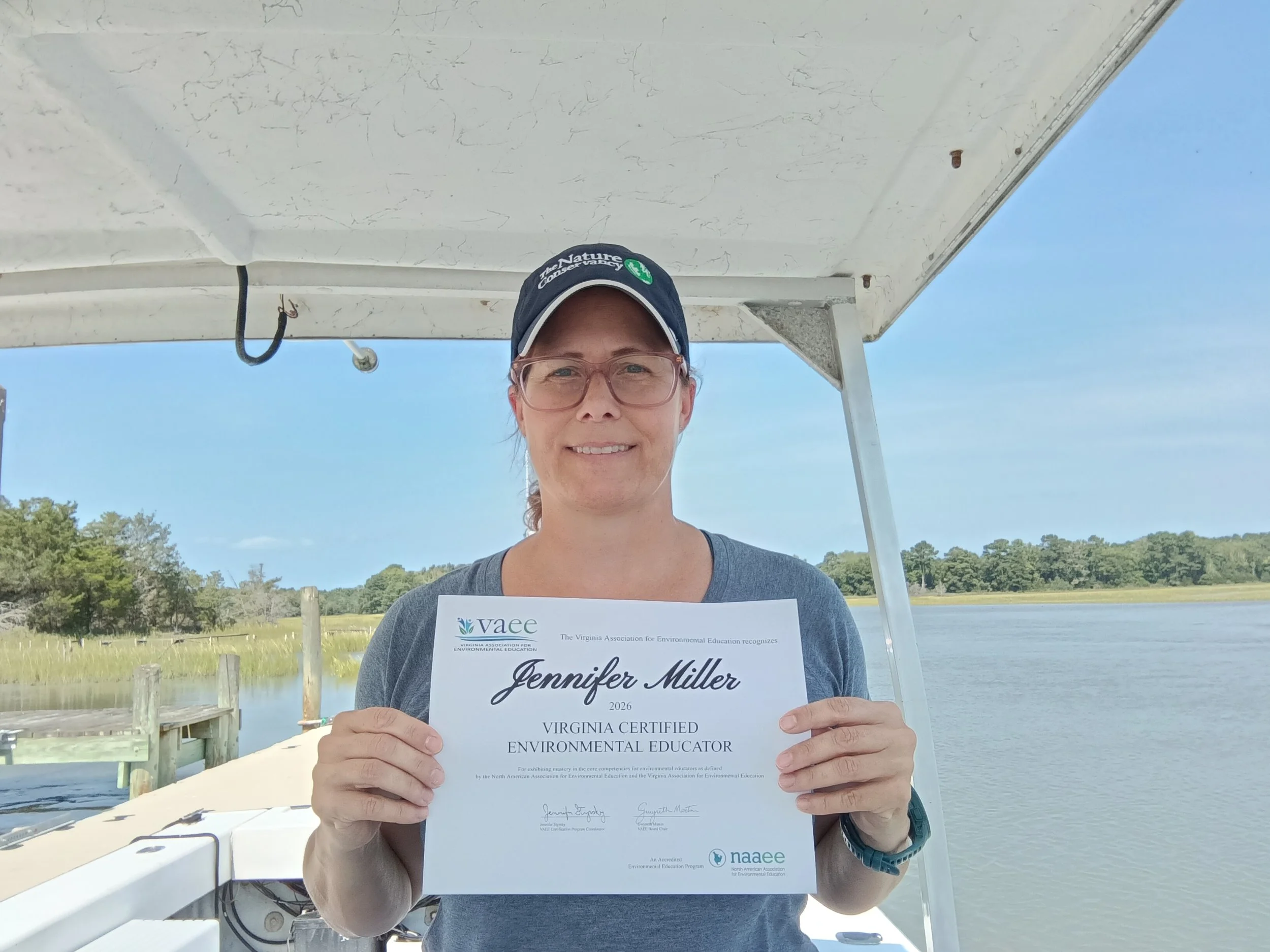
Meet Jenny
Tell us a bit about your environmental education work and/or volunteer activities.
I’m the Environmental Education Program Manager at The Nature Conservancy’s(TNC) Virginia Coast Reserve (VCR) which is one of longest stretches of undisturbed coastal wilderness along the east coast. Our education program aims to connect fifth, seventh, and tenth grade students to a variety of field experiences at TNC properties. Fifth graders explore salt marshes and forests and compare what lives where and why at TNC’s 1,250-acre Brownsville Preserve in Nassawadox. Seventh graders identify plankton and animals living amongst oysters and kayak through a tidal creek to connect to the whole system. Tenth grade students hop aboard a pontoon and take a 25-minute boat ride out of the town of Wachapreague to one of the barrier islands to explore barrier island dynamics, discover beach nesting birds that rely on these undeveloped beaches, and use nets to see what the birds “catch of the day” could be. We provide these standard-based field experiences to about 1,000 students annually.
Along with providing these opportunities for students, we provide hands-on, engaging professional development opportunities for teachers so that they can build meaningful watershed educational experiences that connect the field experience to what is happening in the classroom throughout the year. We also aim to reach adult learners though partnering with local organizations, leading walks at Brownsville Preserve, and more! Working here as an environmental educator is a dream but comes with barriers for ensuring that the local community has access to our amazing natural resources. Living in a rural area that is largely economically disadvantaged means that you must be creative and proactive to provide opportunities for community members. Not everyone has a boat to make their way out to the barrier islands, some families don’t have reliable transportation to get to the preserve to enjoy the trail, and time and cost are also barriers to programming. Our education programming is entirely free, we support school districts by reimbursing for the cost of buses and substitute teachers, and by providing field experiences during school hours we remove transportation and time limitations. We continue to work to find ways to connect with our local community to build relationships, share stories about our natural resources, and inspire future generations to action. Prior to working at TNC I worked as a seasonal park ranger for the National Park Service on Assateague Island and as a Biological Technician for the US Fish and Wildlife service on Assateague. To fill time during seasonal employment, I worked as an educational assistant with middle school students in Worcester County Public Schools on the Eastern Shore of Maryland. I’ve been lucky enough to learn from the amazing people and places here on the Eastern Shore and am glad that I have even a tiny part of helping others learn how special it is as well.
What inspired you to complete Virginia’s Environmental Education Certification Program?Over the years of being an environmental educator, I have seen certification programs like VAEE’s and have always been intimidated by the time commitment and requirements like the creation of a capstone project which kept me from enrolling in those programs. At this point in my career, I wanted to challenge myself to complete the VAEE certification program to make sure I was staying up to date on techniques and resources in the field as well as push myself to create a new program for our community. Even though I’ve been an environmental educator for quite some time, I knew there are still skills that I needed to improve on and you don’t really know what those are until you are required to evaluate yourself and understand what components are missing. I’ve never had any formal lesson plan writing skills before; outlines that I created for programs were fairly simple and a lot of it stayed in my head, but now I have a better understanding of not only how to create a thorough lesson plan but also how important it is that it makes it to paper for myself and for others. The program opened my eyes to new resources that not only I can use but can share with my education team and volunteers to improve their skills as well. Being out on the Eastern Shore also can feel a little isolated, I mean we usually get left off of state of Virginia maps, but this program opened up opportunities to connect with educators across the state and not only learn from their knowledge and experiences but also introduce them to the Eastern Shore of Virginia.
Describe your Community Capstone Project. What are you most proud of accomplishing?
My community capstone project was meant to build on the education programming that we do during the school year with the local public schools while creating a new way to engage students during the summer months. Our education program previously held two one-week summer camp sessions for 5-8 year olds and 9-12 year olds. Even though our summer camps were low cost and catered to local families, we never were able to get consistent enrollment, likely due to the same barriers that we have for other programs like transportation and time. The capstone project inspired me to scrap the summer camp model all together and creatively think of a way to serve students who could benefit from fun, hands-on learning experiences during the summertime without running into all the limitations that we had before.
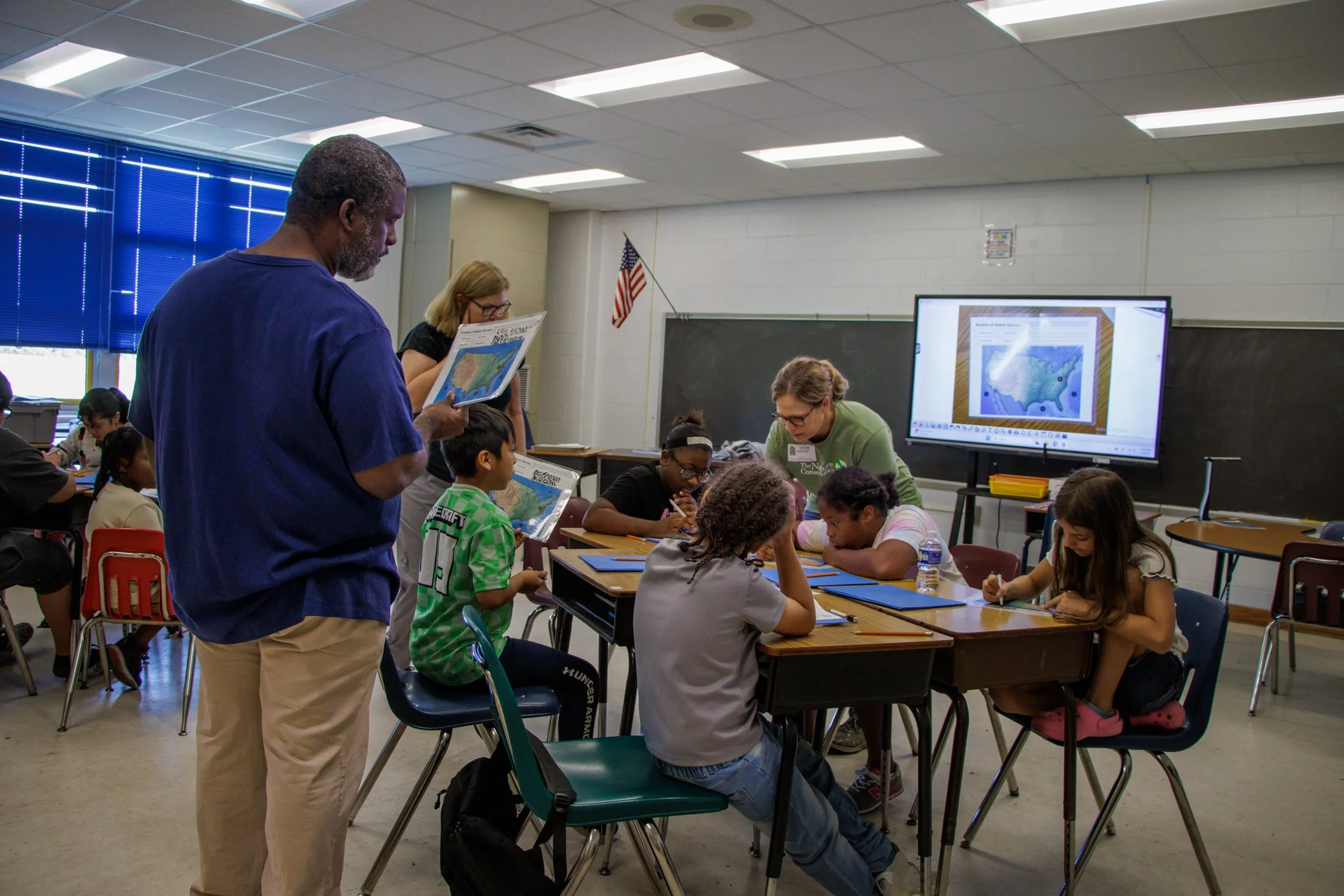
Enter summer school and the Shorexplorers program. Summer school is for students who need to improve skills, are making up time because of chronic absenteeism, or need other remedial help. We decided to work with rising fourth graders because this would be their first introduction to our education team before starting their first field trips with us during their fifth-grade year and because our students on the Eastern Shore mostly cover the fourth-grade science standards during fifth grade. We decided to use the meaningful watershed educational experience (MWEE) model to organize our days with the students. We chose a few local environmental topics that relate to our work at TNC, oysters and seagrass restoration, and started brainstorming how to introduce those topics to the students in a short time.
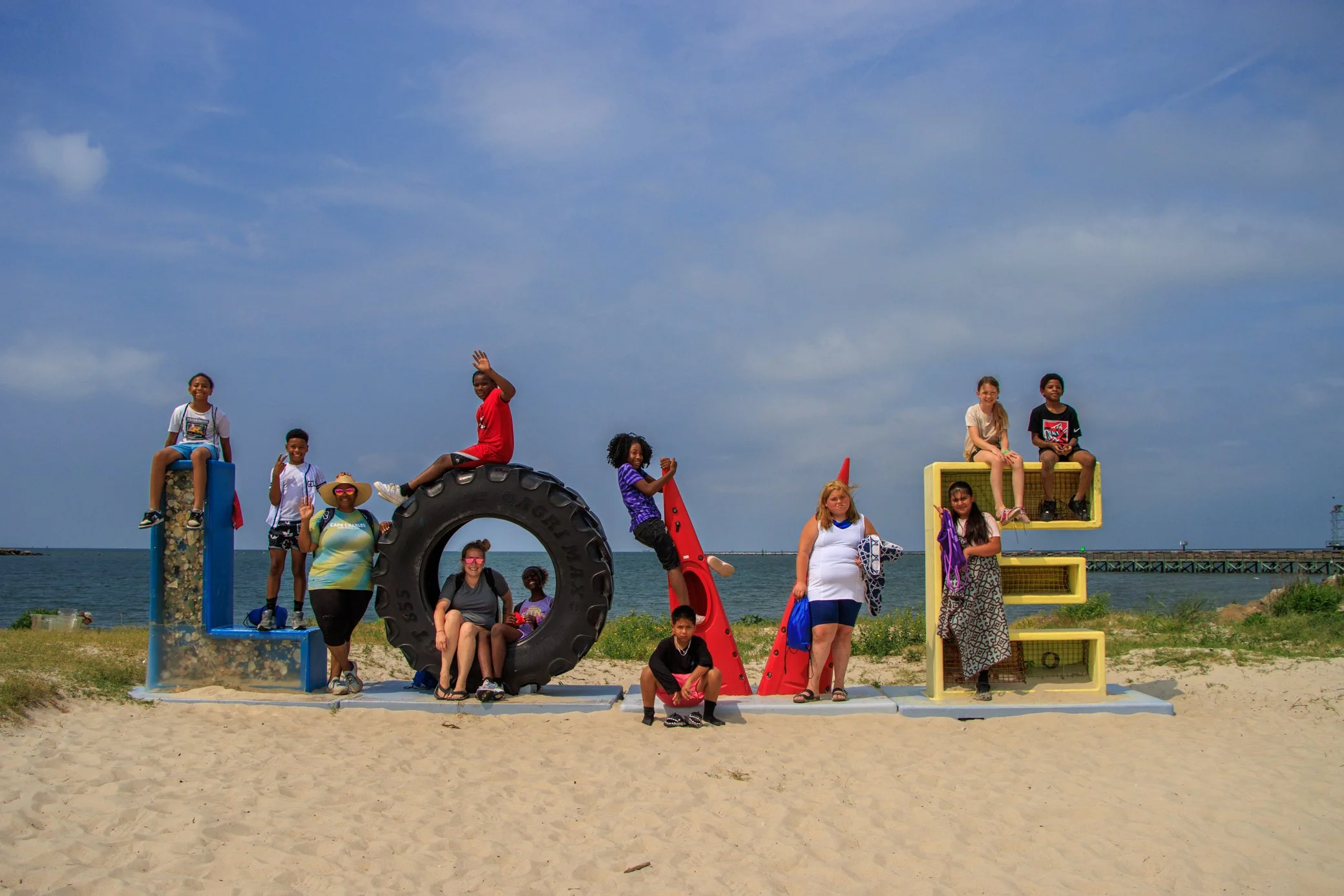
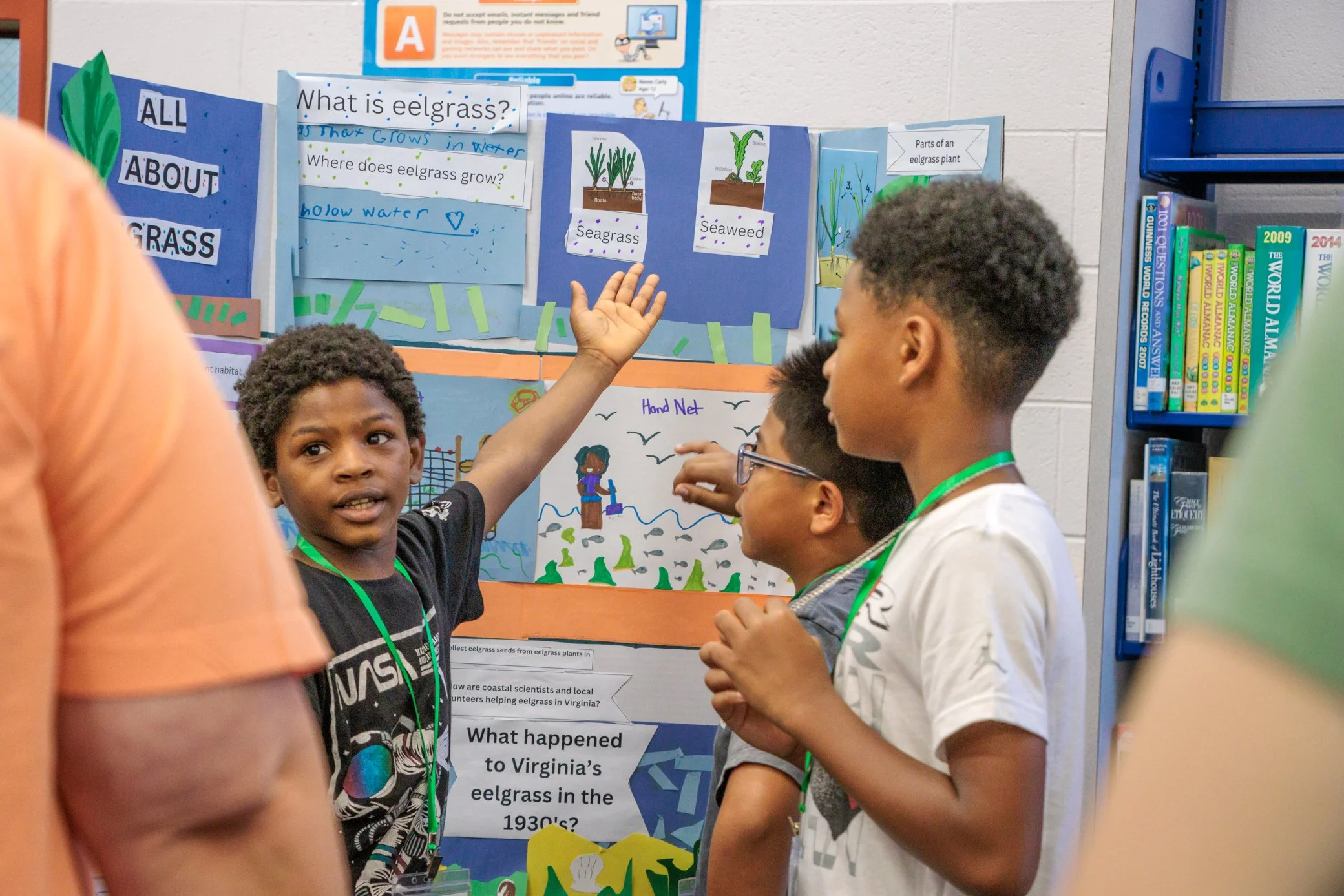
We settled on a four-day MWEE experience with each class. Day one was an introduction day where we did activities to learn about the topic such as oyster dissection and filtering activities or sorting seagrass versus seaweed and labeling the parts of the eelgrass plant. Day two was a field experience like visiting a local oyster restoration site and identifying animals that live in oyster reefs or pulling nets through seagrass meadows and counting the different number of animals that call that habitat home. Day three involved using the data collected from the field trip to create bar and line graphs and diagrams to show the importance of these habitats and brainstorm about how people can help. On the last classroom day, the students action project was to pull everything that they learned together into a engaging tri-fold poster that they would use to present to the other classes that had a different topic. In the final week of summer school, the students presented to each other at a gallery walk type event. They took turns formally presenting to the other class, teachers, administrators, and TNC staff. After the formal presentations were done, students switched between staying at their board to answer questions and talk to people who came to them or going to the other board and asking questions. Because the gallery walk events took place at one of the schools, students from pre-K to sixth grade were invited to rotate through and ask questions as well. It was amazing to see the students become the teachers and be so proud of what they had learned. They didn’t just sit there and barely have enthusiasm for their topic, they thrived by using props and comfortably walked away from their boards to find peers to engage. There were so many ways the Shorexplorers program benefitted the students beyond being an integrated, multi-curricular experience. Besides helping the students, we hoped that this program would highlight the MWEE process to the teachers and inspire them to integrate it into their classrooms during the year. We now have a set of resources to share with any teachers that want to implement these topics into their classrooms at the elementary level, but they can also be scaled up to the middle and high school levels as well. I’m really proud of the success we have had connecting with the school districts during the summer to continue to build relationships with administrators and teachers and show that we are a committed to supporting them in education but it has also been amazing to see the connection we make with the students because we have more time to learn names, hear their stories, and become more than just an educator they see once a year. None of this would be where it is without the hard work of our education team, interns, and volunteers who sprinkle their own magic on the ideas to make them a reality.
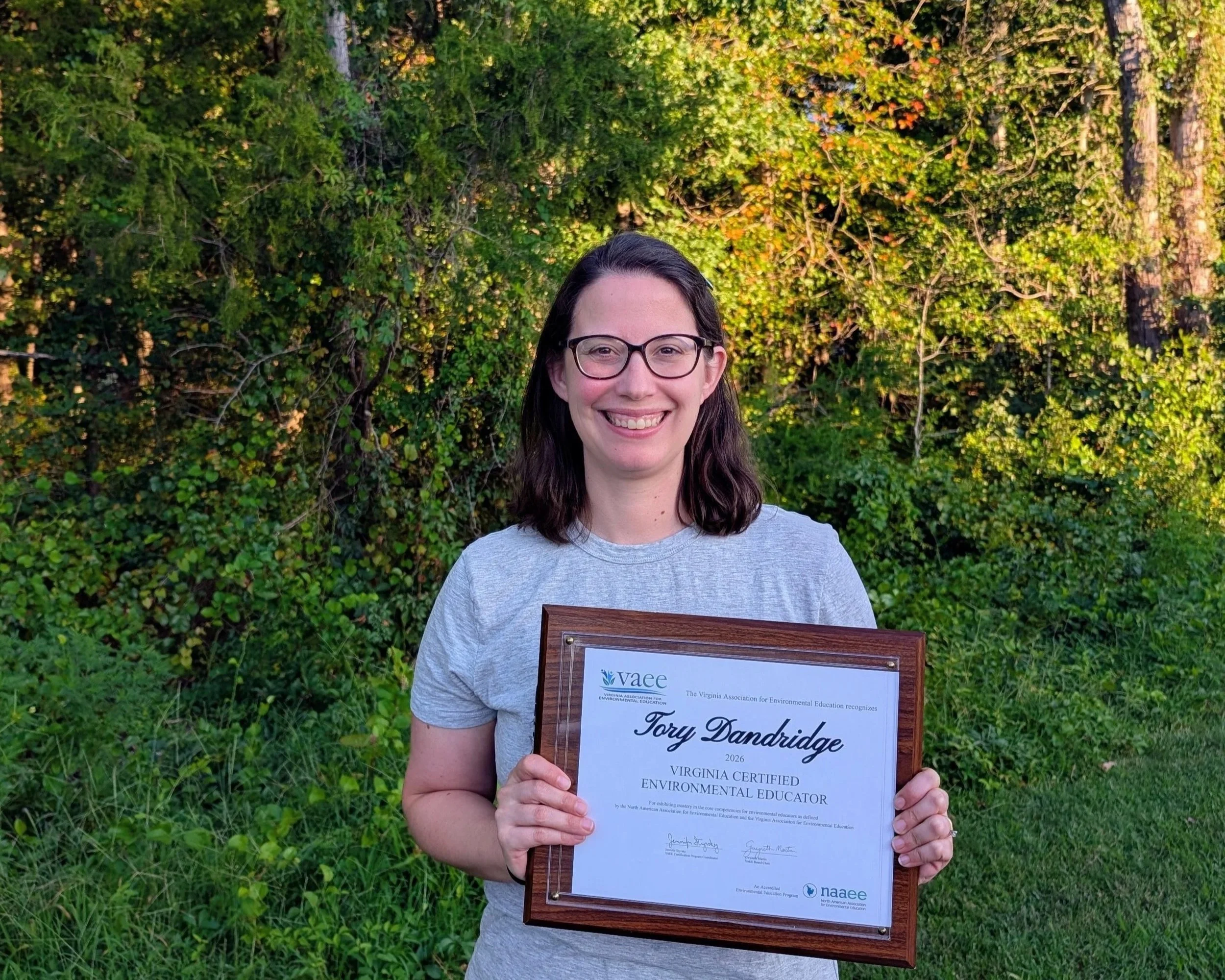
Meet Victoria
Tell us a bit about your environmental education work and/or volunteer activities.
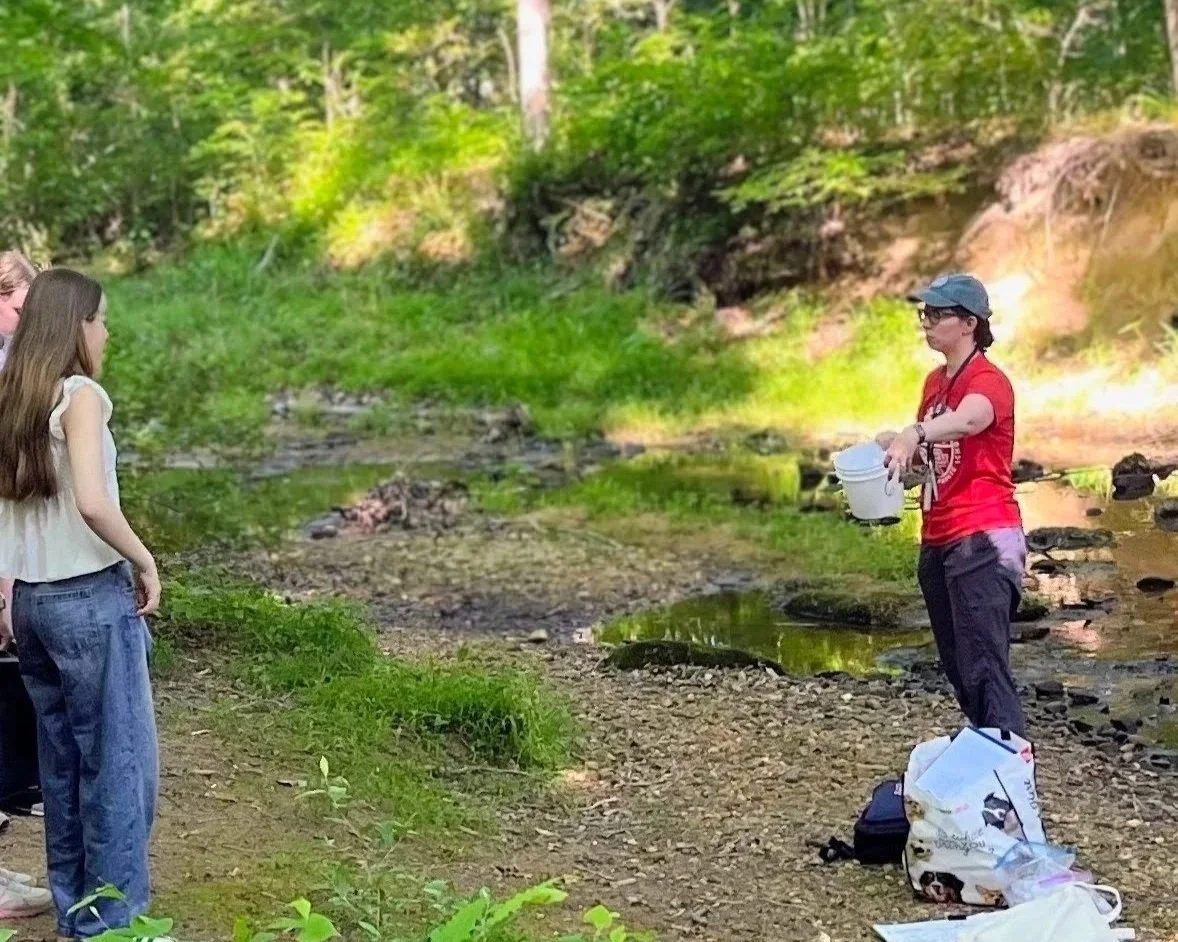
I have been a formal educator for 10 years, primarily teaching Environmental Science courses at the high school level. Over the last few years, I have had the opportunity to help expand Environmental Literacy across the state through my work with the Virginia Environmental Literacy Network .
What inspired you to complete Virginia’s Environmental Education Certification Program?
I was inspired to complete the VAEE Certification Program because I wanted to further develop my knowledge and skills as an environmental educator both in and outside of the classroom. I also wanted to be better equipped to support students and other educators as they build environmental literacy.
Describe your Community Capstone Project. What are you most proud of accomplishing?
My Capstone Project focused on building a school garden & outdoor classroom space designed to demonstrate sustainable land use practices, foster curiosity about native Virginia ecosystems, and build inquiry skills through opportunities to collect relevant, real-world data. I'm proud that this project was truly collaborative; it could not have succeeded without amazing community partners and the support of many other school staff members. I'm also proud that this project will provide opportunities for teachers and students to keep developing the space for continued learning.
